The Art of Being Heard: Inside the Fox Theatre's Extraordinary Sound Universe
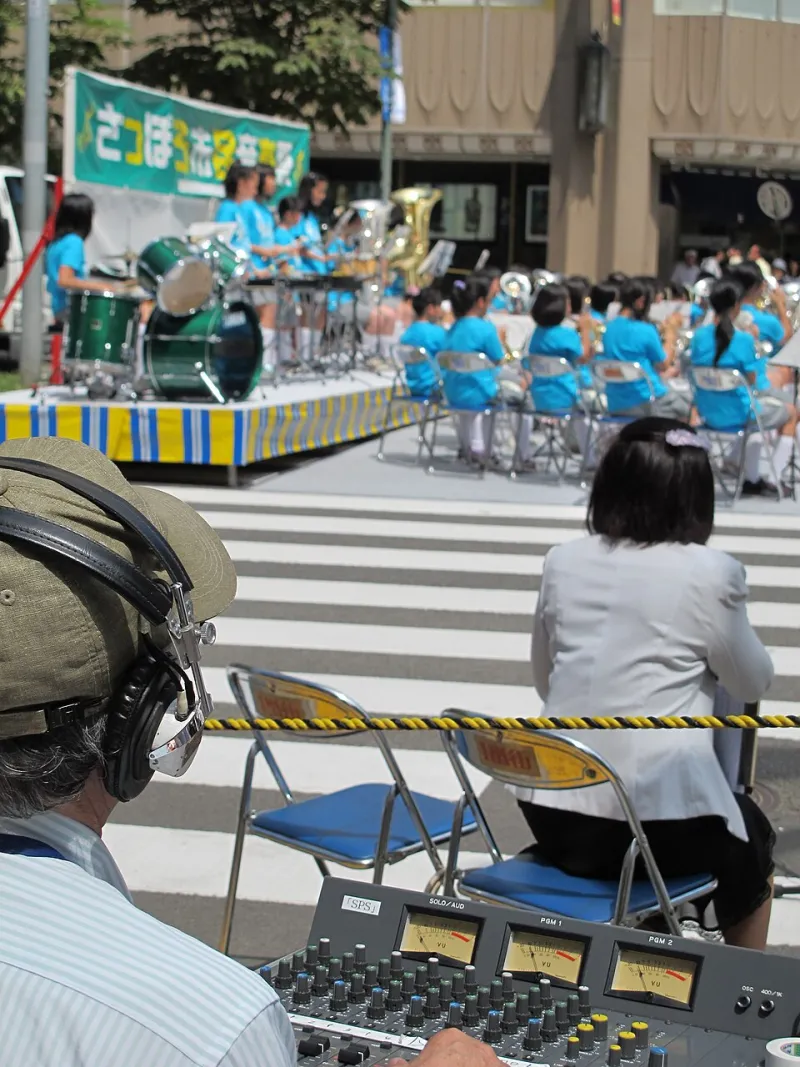
Photo: Sgroey, CC BY-SA 4.0, via Wikimedia Commons
There is a moment, familiar to anyone who has attended a performance at the Fox Theatre, when the house lights dim and the first note rises from the stage. Something shifts in the room — not merely in the mood of the audience, but in the air itself. Sound moves differently here. It fills the ornate space with a warmth and presence that settles into the body as much as the ears. That sensation is not accidental. It is the product of decades of architectural intention, meticulous engineering, and a devotion to the craft of live sound that defines the Fox Theatre experience.
Architecture as the First Instrument
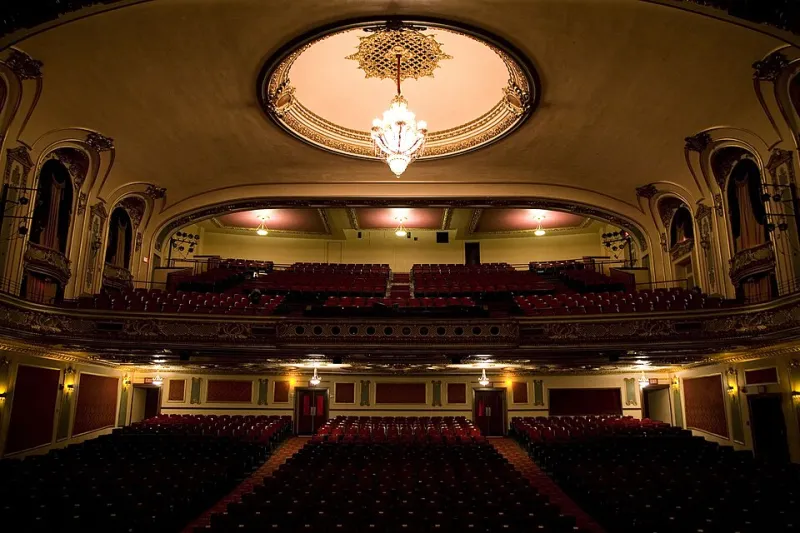
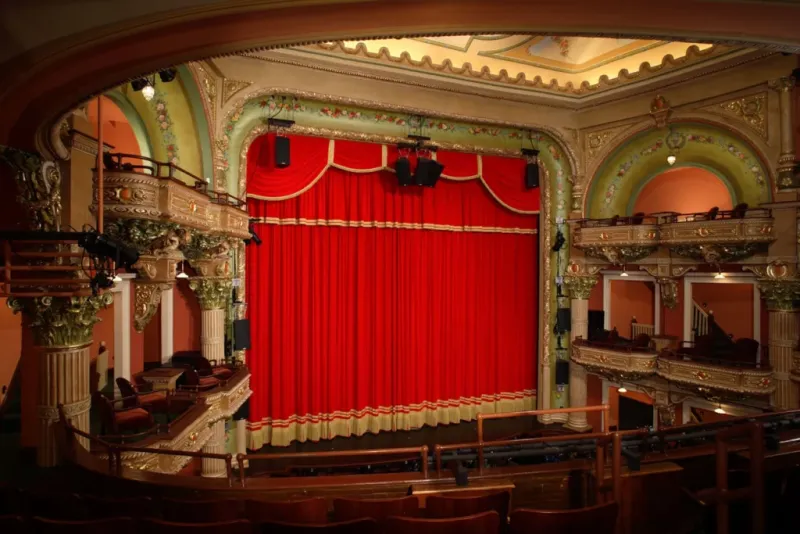
Before a single cable is run or a microphone is positioned, the Fox Theatre's building performs its own acoustic function. Completed in 1928 and designed by architect C. Howard Crane, the theatre was conceived in an era when the science of room acoustics was still being formalized, yet the results speak for themselves nearly a century later. The soaring ceiling, which rises more than eighty feet above the main floor, creates a natural reverberation chamber. The ornate plasterwork — the carved columns, the layered balcony faces, the deeply coffered surfaces — scatters sound in ways that prevent the harsh echoes and dead zones that plague less considered spaces.
"The room itself is an instrument," explains one acoustics consultant who has worked with the Fox on multiple production cycles. "When you walk into a space like this and clap your hands once, you can hear immediately whether a room is going to cooperate with sound or fight against it. The Fox cooperates. It always has."
The sheer volume of the interior — meaning the cubic footage of air the sound must travel through — also contributes to that characteristic warmth. Sound waves in a large, richly decorated room behave very differently than they do in a small, reflective space. The Fox's combination of size and surface complexity produces what engineers describe as a "lively" acoustic environment: one where sound lingers just long enough to feel immersive without becoming muddy or indistinct.
The Modern Layer: Technology Meets Tradition
Of course, the architecture of 1928 was designed with a different kind of performance in mind. The Fox originally served as a movie palace and vaudeville house, and the acoustic demands of a touring Broadway production or a contemporary rock concert are considerably more complex than those of a silent film accompanied by a pipe organ. This is where modern sound technology enters the picture — and where the Fox's production team earns its reputation.
The theatre has invested substantially in its sound reinforcement infrastructure over the years, integrating digital mixing consoles, line-array speaker systems, and delay speakers that ensure consistent coverage throughout the house. The challenge, as any seasoned sound engineer will confirm, is making this technology serve the room rather than overwhelm it.
"The worst thing you can do in a historic venue is fight the acoustics," notes a touring sound engineer who has mixed productions at the Fox on multiple occasions. "You have to listen to what the room is telling you and work with it. When you get it right, the system becomes transparent — the audience isn't aware of any technology. They just feel like the sound is coming from everywhere and nowhere at once, which is exactly what you want."
This transparency is achieved through careful calibration. Before any production opens, sound engineers conduct extensive measurement sessions, using software to map how sound propagates through every section of the house. Adjustments are made to speaker angles, delay timing, and equalization settings to account for the room's natural behavior. What the audience ultimately hears is a blend of the room's organic acoustic character and the precision of modern reinforcement — a collaboration between the past and the present.
The Human Element: Live Mixing as Performance
Perhaps the most underappreciated aspect of the Fox Theatre's sound environment is the role of the live sound mixer — the individual seated at the mixing console, usually positioned somewhere in the rear of the orchestra section, who makes real-time decisions about what the audience hears throughout every performance.
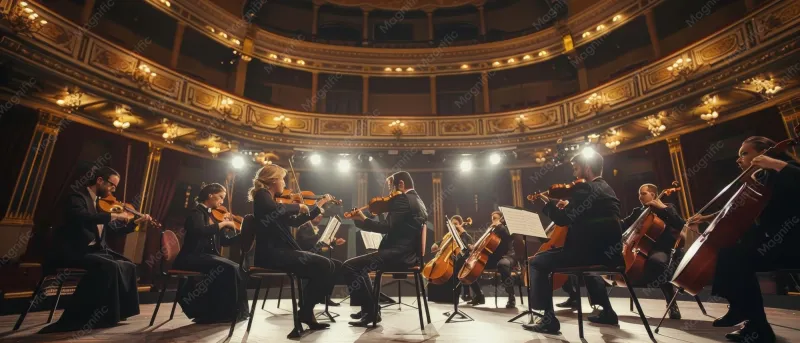
Unlike a recorded album or a film's soundtrack, live sound cannot be corrected after the fact. A singer's voice changes from night to night depending on fatigue, humidity, and the particular energy of the performance. An orchestra's dynamic range can shift dramatically based on the conductor's interpretation of a given passage. The sound mixer must anticipate and respond to all of this in the moment, adjusting levels, adding or reducing effects, and ensuring that every element of the production is balanced and intelligible.
"You're essentially performing alongside the cast," says one veteran mixer who has worked extensively in major touring venues across the Midwest. "You're listening to everything simultaneously and making hundreds of small decisions every minute. It's a discipline that takes years to develop, and every room teaches you something new."
At the Fox, the mixer's task is made both easier and more demanding by the room's acoustic richness. Easier, because the room naturally flatters sound and requires less aggressive processing to achieve warmth and depth. More demanding, because the room's reverberation characteristics mean that mistakes — a microphone level pushed too high, a frequency that builds unexpectedly — can become apparent very quickly.
What the Audience Feels
For the patrons who fill the Fox Theatre's seats on any given evening, the technical intricacies described above are entirely invisible. What they experience is something far more immediate: the sensation of being surrounded by sound in a way that draws them into the narrative of the performance.
Longtime Fox Theatre patrons frequently describe this quality in remarkably consistent terms. They speak of feeling that the music or dialogue is coming from within the room rather than from a stage at a distance. They note that they are aware of nuances — a breath before a lyric, the texture of a bowed string, the weight of silence between notes — that would be lost in a lesser acoustic environment. Many report that their emotional engagement with a performance intensifies in ways they did not anticipate.
This is, ultimately, the purpose of everything described in this article. The architecture, the technology, and the human expertise all exist in service of a single goal: to dissolve the boundary between performer and audience, to make the act of listening a full-body experience rather than a passive reception of information.
A Standard That Endures
As entertainment options continue to multiply — streaming services, immersive digital experiences, home theater systems of increasing sophistication — the question of what a live venue must offer becomes ever more pressing. The Fox Theatre's answer, refined over nearly a century of continuous operation, is grounded in a conviction that no reproduction of sound, however technically accomplished, can replicate the experience of being physically present in a room where sound is alive.
The orchestra pit, the stage monitors, the carefully tuned speaker arrays, and the hands of a skilled mixer all work toward the same end: ensuring that when Detroit's audiences take their seats at the Fox, they are not merely watching a performance. They are inside it.